
Environmental and water quality modelling is applied to assess physical and biogeochemical processes governing the transport, transformation and fate of substances in aquatic systems. Numerical analyses support the understanding of water quality dynamics in rivers, estuaries, coastal waters and semi-enclosed basins under a range of natural and anthropogenic influences.
Modelling studies are used to inform environmental impact assessment, regulatory compliance and the design of mitigation measures, providing a quantitative basis for decision-making in complex environmental settings.
Modelling studies are used to inform environmental impact assessment, regulatory compliance and the design of mitigation measures, providing a quantitative basis for decision-making in complex environmental settings.
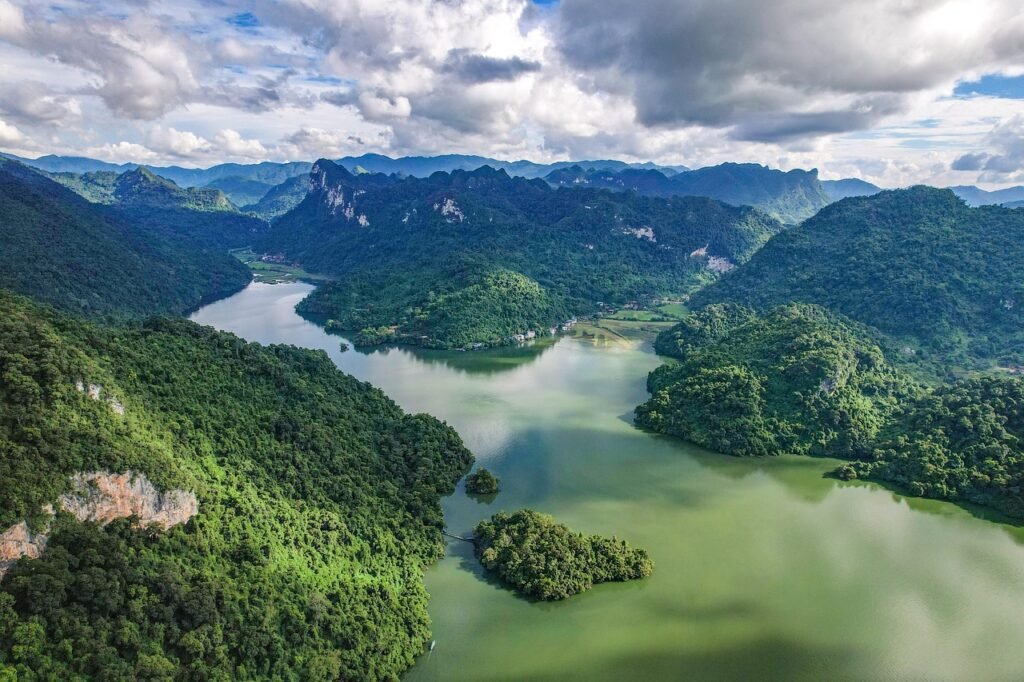
Water Quality Processes and Transport
Numerical models are used to represent key water quality processes, including advection, dispersion, mixing and reaction mechanisms affecting dissolved and particulate substances. Simulations capture spatial and temporal variability in concentration fields driven by hydrodynamics, stratification and external forcing.
Analyses support the assessment of system sensitivity to changing boundary conditions, flow regimes and seasonal variability, enabling the evaluation of baseline conditions and scenario-based impacts.
Analyses support the assessment of system sensitivity to changing boundary conditions, flow regimes and seasonal variability, enabling the evaluation of baseline conditions and scenario-based impacts.
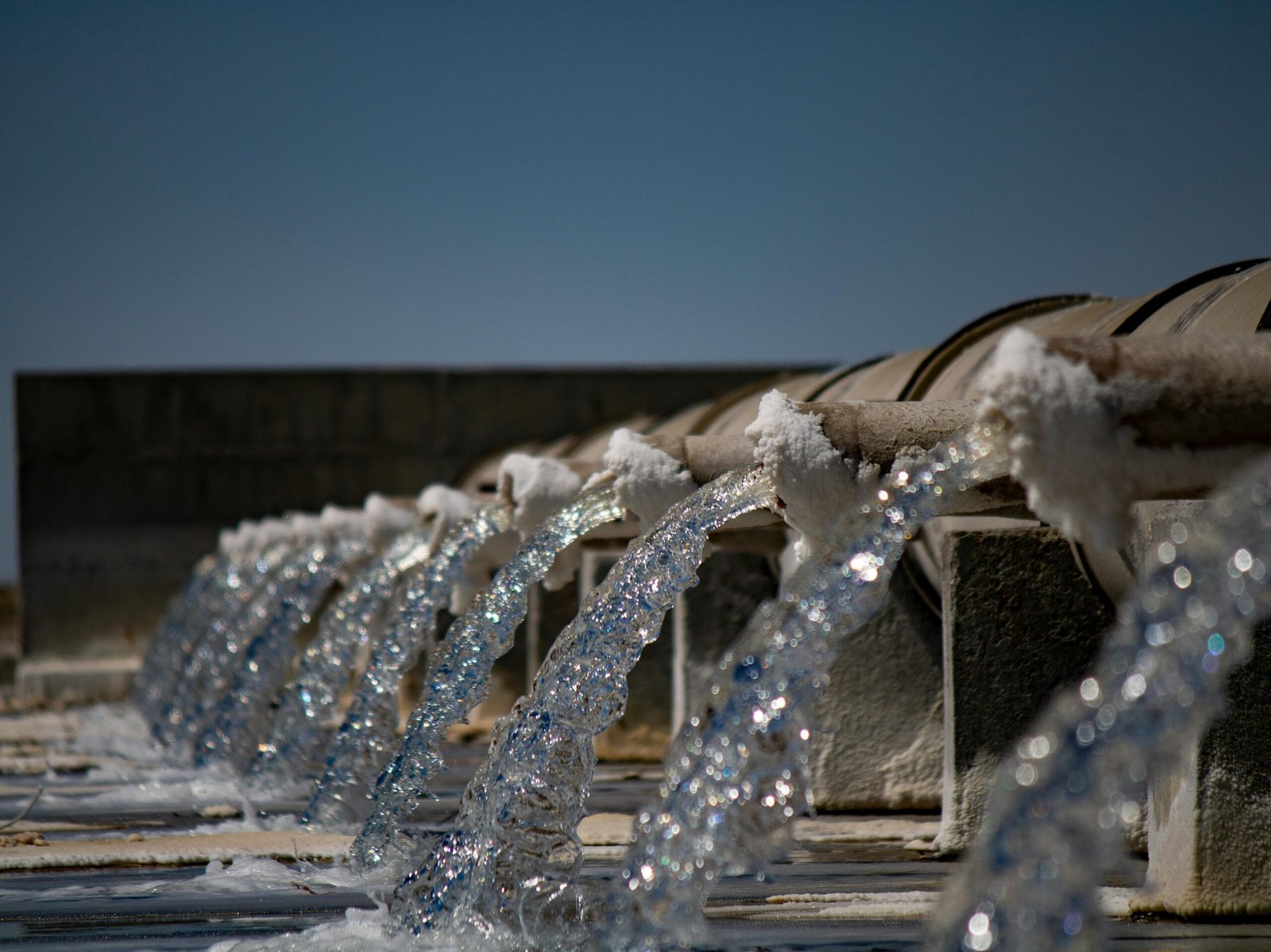
Industrial and Brine Discharge Dispersion
Dispersion modelling is undertaken to assess the environmental effects of industrial effluents and brine discharges on receiving waters. Numerical simulations resolve near-field and far-field mixing processes, plume behaviour and dilution characteristics under realistic hydrodynamic conditions.
Results are used to evaluate compliance with environmental standards, identify zones of influence and support the optimisation of discharge design and operational strategies.
Results are used to evaluate compliance with environmental standards, identify zones of influence and support the optimisation of discharge design and operational strategies.
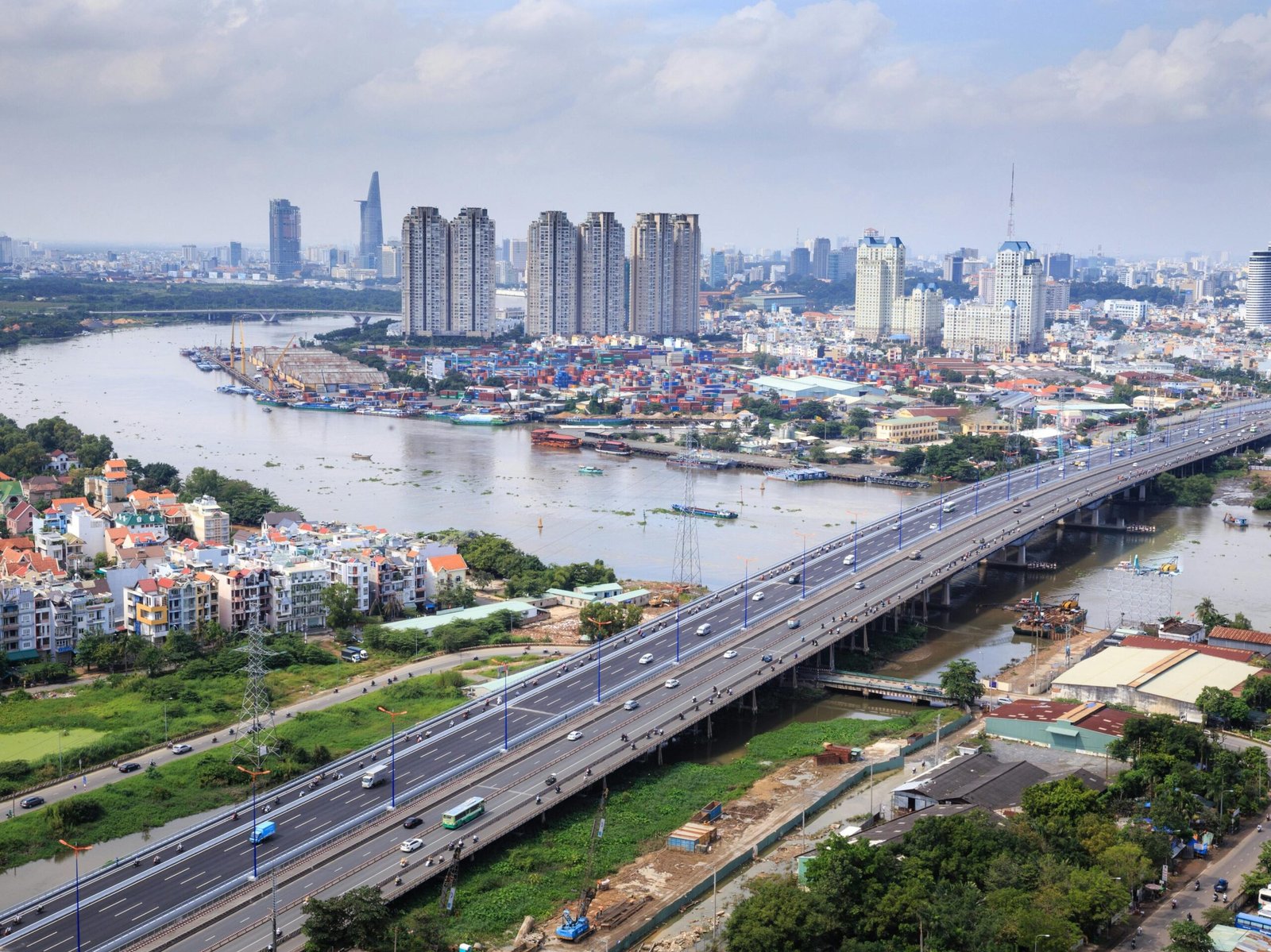
Environmental Impact Assessment and Compliance
Integrated modelling frameworks are applied to support environmental impact studies by linking hydrodynamics, sediment transport and water quality processes. Analyses quantify potential impacts on water bodies, sensitive receptors and ecological systems across operational and extreme scenarios.
Model outputs are structured to support regulatory review, stakeholder engagement and the development of robust, defensible environmental management strategies.
Model outputs are structured to support regulatory review, stakeholder engagement and the development of robust, defensible environmental management strategies.
Modelling Approach
Environmental modelling studies are developed using validated numerical tools and established physical and chemical process formulations. Model configuration is based on appropriate spatial resolution, boundary conditions and process representation relevant to the scale and objectives of each study.
Sensitivity testing and comparison with available monitoring data are used to ensure transparency, robustness and confidence in the interpretation of results.
Sensitivity testing and comparison with available monitoring data are used to ensure transparency, robustness and confidence in the interpretation of results.