We support the design, sizing, and verification of marine and port structures using physics-based numerical modelling and engineering analysis. Our scope includes breakwaters, jetties, groynes, seawalls/revetments, tombolos/coastal defence schemes, and quay walls. We convert offshore metocean conditions into site-specific design loads and performance metrics by modelling wave transformation, local hydrodynamics, and wave–structure interaction. We also assess operability and durability—overtopping and freeboard, stability, reflection/transmission, toe scour, and harbour tranquillity—delivering decision-ready recommendations to optimize layout, reduce life-cycle costs, and ensure resilience under both normal conditions and extreme storms.
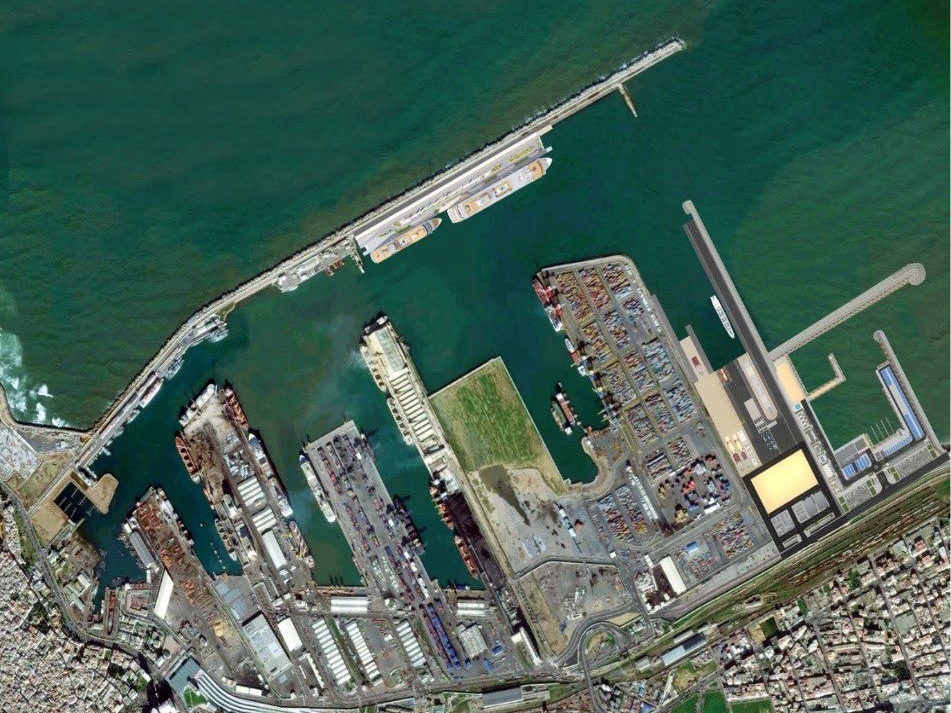
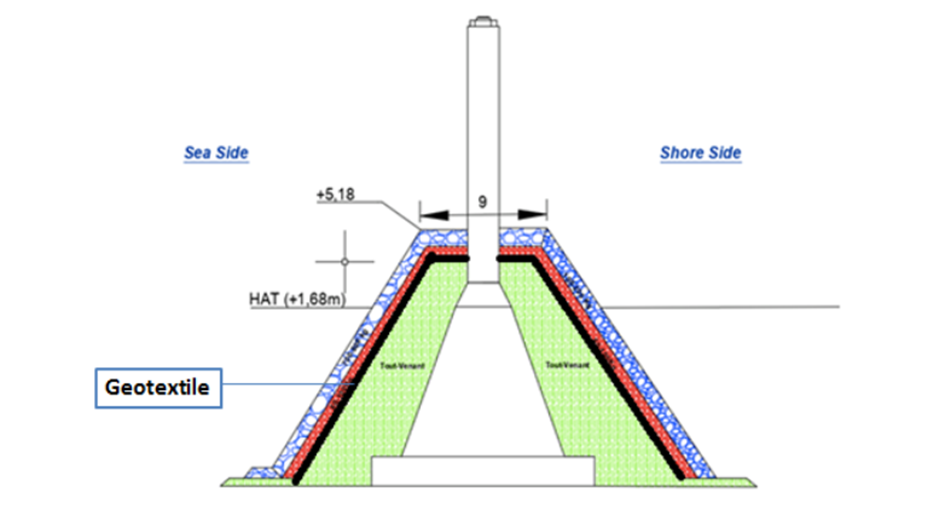
Breakwaters ubble-mound vs. vertical/composite).
For rubble-mound (sloping) breakwaters, we verify armour and toe stability, filter and underlayer design, crest elevation and overtopping targets, and potential scour/settlement, using nearshore wave modelling to define the design conditions at the structure toe. For vertical and composite breakwaters (caissons/crown walls), we assess wave loads (impulsive and non-impulsive), perform sliding/overturning/bearing checks, evaluate uplift and foundation response, and control reflection and overtopping to ensure safe, reliable operations.
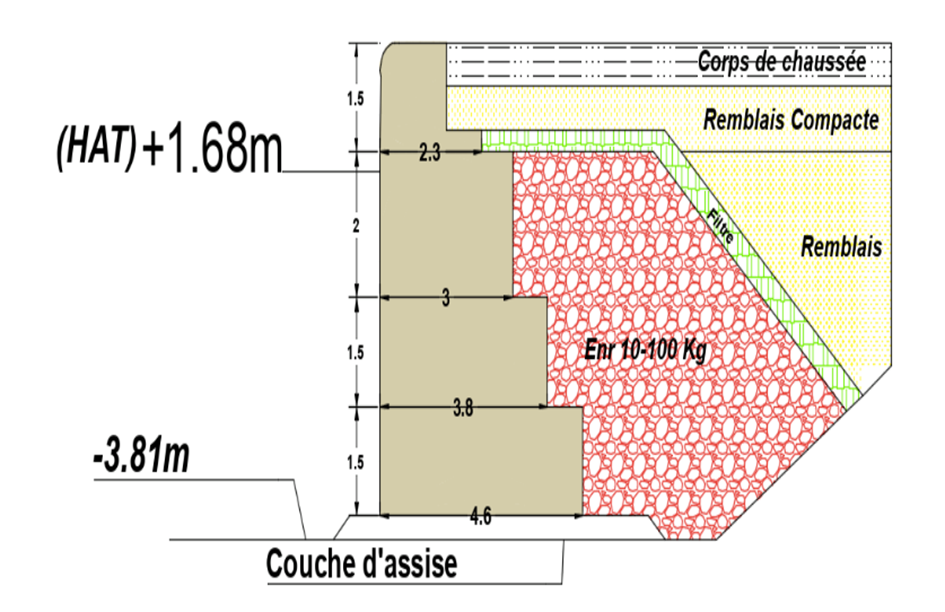
Quay walls
. We design and verify gravity quay walls, anchored sheet-pile and combi walls, diaphragm/secant pile walls, and open piled jetties or deck-on-piles structures, addressing soil–structure interaction, structural capacity, serviceability (deformations/settlements), berthing and mooring actions, and scour protection.